Fully synthetic engine oil is designed to last longer and protect better than conventional or semi-synthetic oils.
However, “longer” does not mean “forever.”
The correct oil change interval depends on several real-world factors — not just what’s written on the bottle.
Below is a clear, practical guide to help drivers, workshops and fleet operators make the right decision.
Under normal driving conditions, fully synthetic engine oil is typically changed every:
8,000 – 12,000 km
or 6 – 12 months, whichever comes first
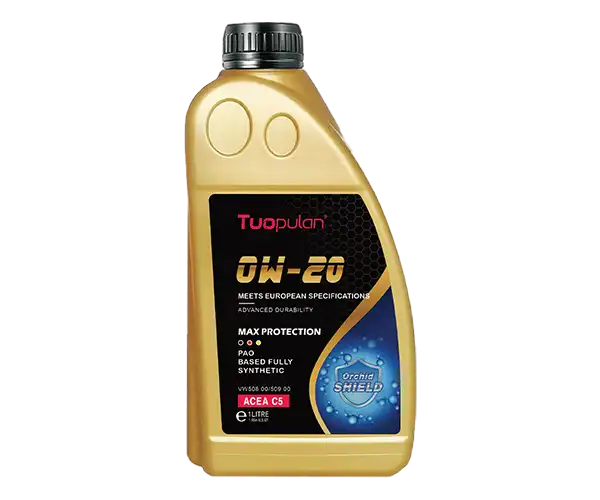
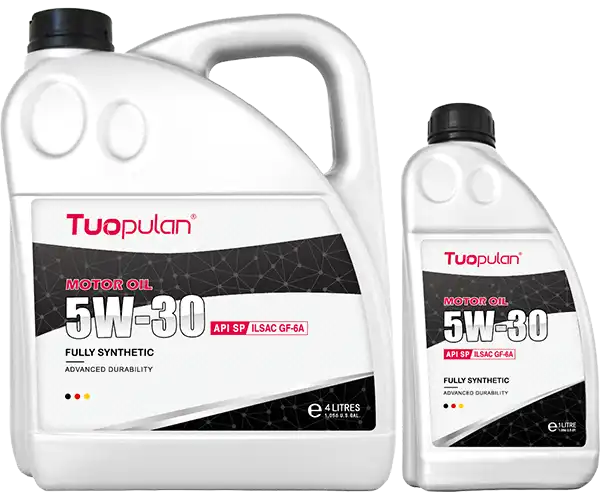
This range works well for most modern passenger vehicles using oils such as 0W-20, 5W-30 or 5W-40.
But real driving conditions matter.
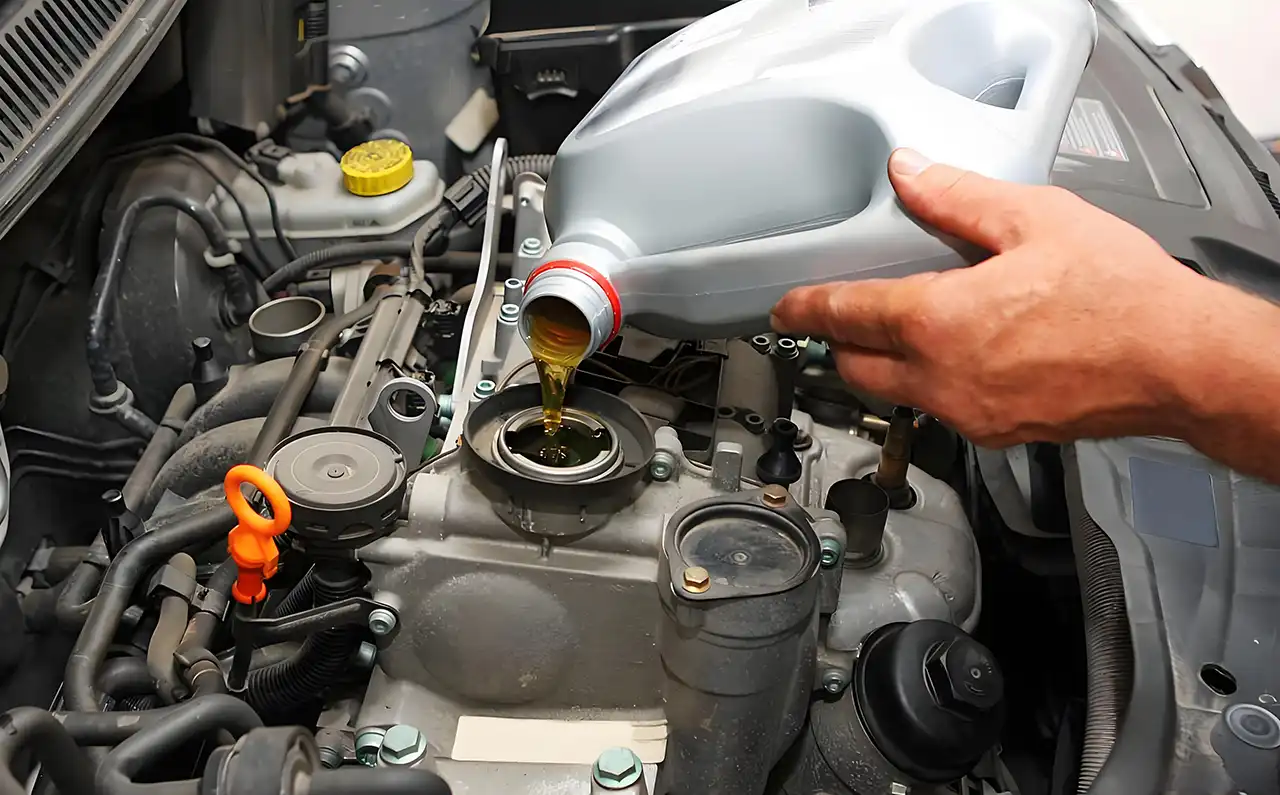
In regions such as the Middle East, Southeast Asia and Africa, engines often face:
high ambient temperatures
heavy traffic and idling
dusty or sandy roads
Under these conditions, oil degrades faster.
Recommended adjustment:
👉 Change fully synthetic oil every 7,000 – 10,000 km for better engine protection.
Different engines place different stress on oil.
| Engine / Usage | Recommended Interval |
|---|---|
| Small petrol engines | 8,000 – 12,000 km |
| Turbocharged engines | 6,000 – 8,000 km |
| High-mileage vehicles | 6,000 – 8,000 km |
| Fleet / delivery vehicles | Shorter intervals recommended |
Turbo engines and heavily loaded vehicles generate more heat, accelerating oil oxidation.
Frequent short trips, stop-and-go traffic, or aggressive driving cause:
faster contamination
moisture buildup
additive depletion
If most trips are short or urban, oil should be changed earlier, even with full synthetic oil.
Delaying oil changes can lead to:
sludge formation
increased engine wear
reduced fuel efficiency
overheating risk
shortened engine life
Fully synthetic oil resists breakdown better, but no oil is immune to extreme conditions.
Do not rely only on mileage. Watch for:
darker or thickened oil
increased engine noise
reduced engine smoothness
warning lights or oil alerts
If these appear, an oil change is recommended — regardless of distance.
At TUOPULAN, our fully synthetic engine oils are formulated to meet demanding climates and modern engine requirements.
For most users, we recommend:
Normal driving: every 8,000 – 10,000 km
Hot climate / turbo / heavy use: every 6,000 – 8,000 km
This balance ensures:
✔ optimal engine protection
✔ cleaner internal components
✔ stable performance in high temperatures

Different markets and engines require different solutions.
👉 Contact TUOPULAN for technical guidance on:
oil viscosity selection
oil change intervals for your region
bulk supply and OEM solutions
Our team is ready to support distributors, workshops and fleet operators with reliable full synthetic engine oil.
Fully synthetic engine oil should typically be changed every 8,000 – 12,000 km or 6 – 12 months.
In hot climates or demanding driving conditions, it is recommended to shorten the interval to 6,000 – 8,000 km.
Yes. Fully synthetic oil offers better resistance to heat, oxidation and breakdown compared to conventional or semi-synthetic oils.
However, it still requires regular replacement to maintain engine protection.
Yes. High temperatures accelerate oil degradation.
In regions with extreme heat, frequent idling or dusty roads, oil should be changed earlier to prevent wear and sludge formation.
Turbocharged engines operate at higher temperatures and place more stress on oil.
For these engines, oil should be changed every 6,000 – 8,000 km, even when using fully synthetic oil.
While high-quality fully synthetic oil lasts longer, extending intervals too far increases engine risk, especially in harsh environments.
Following recommended intervals helps maintain long-term engine reliability.
Delaying oil changes may result in:
sludge buildup
increased friction and wear
reduced fuel efficiency
overheating risks
shortened engine lifespan
Even the best oil cannot protect indefinitely.
No. Oil change decisions should consider both mileage and time, as oil degrades even when the vehicle is driven less frequently.
Common signs include:
oil becoming very dark or thick
increased engine noise
reduced smoothness
dashboard oil warnings
If these occur, an oil change is recommended regardless of distance.
TUOPULAN fully synthetic oils are formulated for excellent stability and protection.
When used correctly and changed at recommended intervals, they help keep engines clean and protected — even in demanding climates.