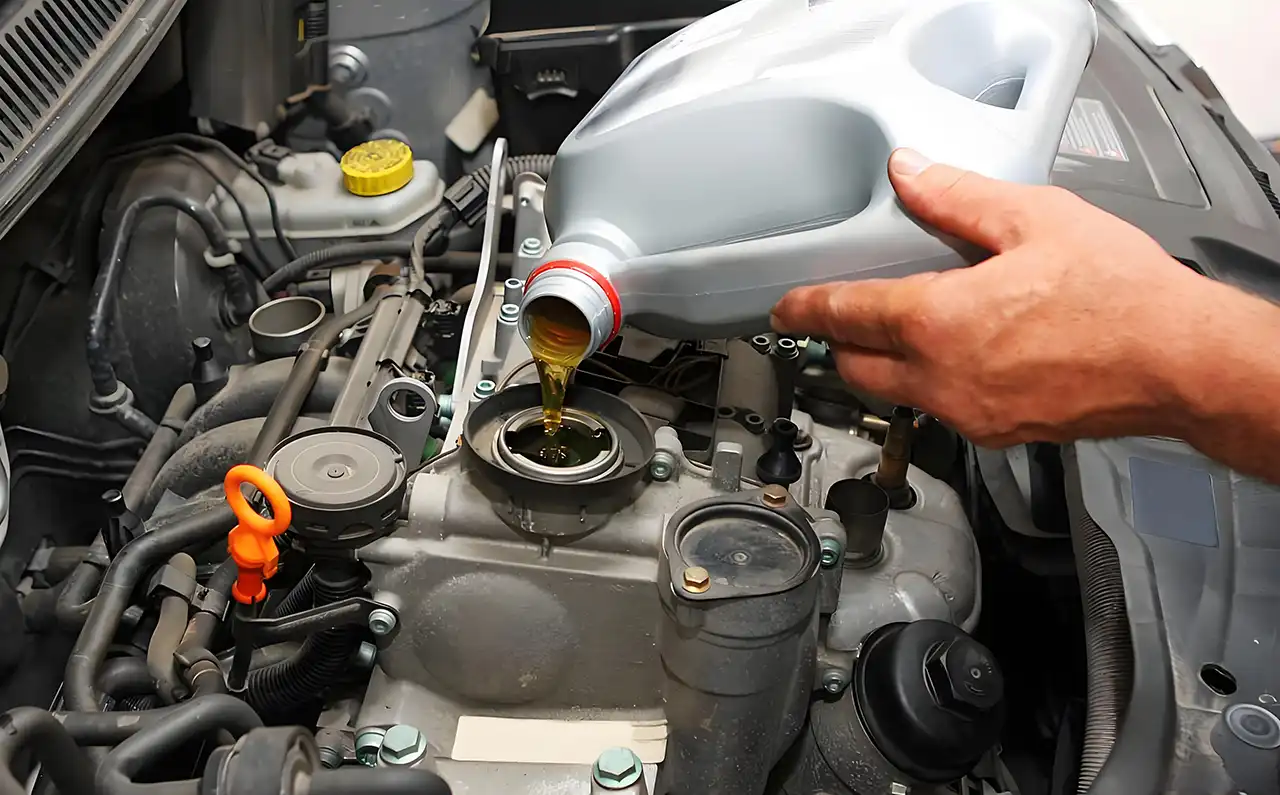
Cold starts are one of the most critical moments for engine protection.
In the first few seconds after starting the engine, most internal components are not yet fully lubricated — and this is when a large portion of engine wear occurs.
So, is fully synthetic engine oil really better for cold starts?
The short answer is yes — and the reason lies in how synthetic oil flows and protects at low temperatures.
During a cold start:
engine oil is thicker and flows slower
metal components make contact before full lubrication
friction and wear increase sharply
fuel consumption temporarily rises
If oil cannot reach critical parts quickly, wear happens almost immediately.
Fully synthetic engine oil has a more uniform molecular structure, allowing it to remain fluid even in cold conditions.
Compared with conventional oil, it:
flows faster during start-up
reaches bearings, camshafts and valve trains more quickly
reduces dry friction in the first seconds
This faster circulation is key to cold-start protection.

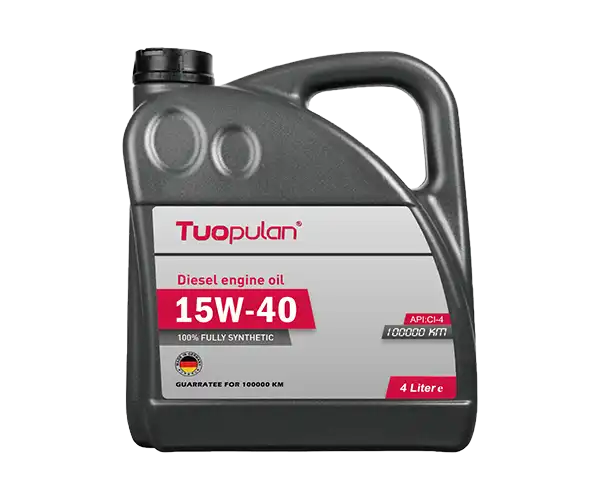
Low-viscosity grades such as 0W-20, 0W-30 and 5W-30 are commonly fully synthetic.
These oils are designed to:
stay fluid at low temperatures
reduce engine resistance during start-up
help engines start more smoothly
Lower resistance also means less strain on the starter and battery.
Because lubrication is established faster, fully synthetic oil helps:
minimize metal-to-metal contact
reduce friction-related wear
protect engine components during repeated starts
This is especially important for vehicles used in:
short trips
frequent stop-start driving
urban traffic
In regions where temperatures vary between night and day, oil stability matters.
Fully synthetic oil maintains consistent performance across a wider temperature range, ensuring reliable protection whether the engine is cold or fully warmed up.
Using fully synthetic engine oil can result in:
smoother engine start-up
quieter engine operation
reduced long-term engine wear
improved fuel efficiency during warm-up
longer engine service life
These benefits become more noticeable over time, especially with daily driving.

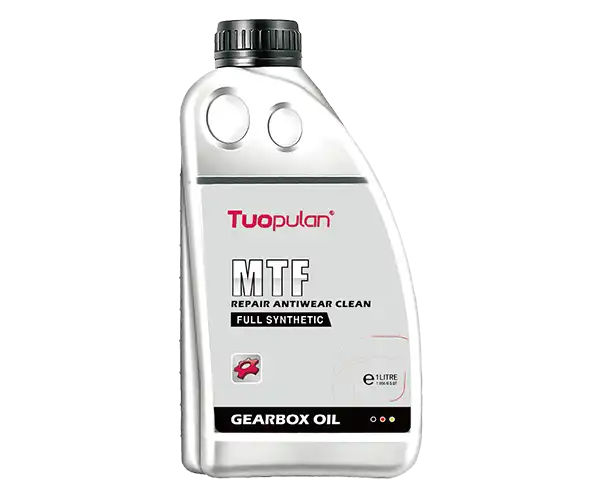
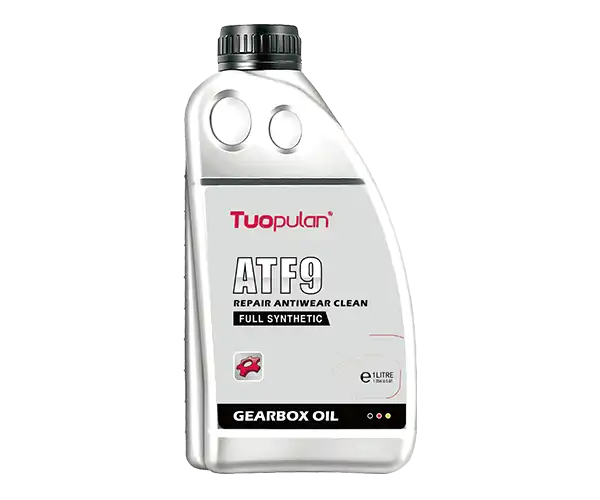
At TUOPULAN, our fully synthetic engine oils are formulated to deliver:
excellent low-temperature fluidity
rapid oil circulation at start-up
stable protection across wide temperature ranges
When the correct viscosity grade is selected, TUOPULAN oils help engines start smoothly and stay protected from the very first moment.
Yes. Fully synthetic engine oil flows faster at low temperatures, providing quicker lubrication and better protection during cold starts.
A significant amount of engine wear occurs during cold starts, before oil reaches all moving parts. Better oil flow reduces this wear.
Low-viscosity grades such as 0W-20, 0W-30 and 5W-30 are best suited for cold-start performance, when approved by the engine manufacturer.
Yes. Reduced resistance and faster oil circulation help engines start more smoothly, especially in cooler conditions.
Yes. Even in warm regions, engines cool down overnight. Fully synthetic oil still provides faster lubrication during morning starts.
Conventional oil can function, but it flows more slowly at low temperatures and provides less protection during the critical start-up phase.
Yes. Reduced friction and wear during repeated cold starts help extend engine life over time.
Yes. TUOPULAN fully synthetic oils are formulated for fast circulation and stable protection from start-up to full operating temperature.
Cold-start performance depends on oil type, viscosity and operating conditions.
👉 Contact TUOPULAN for:
viscosity recommendations
climate-specific oil solutions
bulk supply and OEM cooperation
Our team supports distributors, workshops and fleet customers worldwide.