Engine wear is one of the main causes of reduced performance, increased fuel consumption and shortened engine life.
Many drivers and fleet operators ask whether fully synthetic engine oil can truly reduce engine wear, or if it is simply a marketing upgrade.
The answer is yes — when properly formulated and correctly used, fully synthetic engine oil plays a major role in reducing engine wear.
Engine wear occurs when metal surfaces inside the engine come into contact due to:
insufficient lubrication
oil breakdown under high temperature
contamination and sludge
cold-start friction
heavy loads or stop-and-go driving
In hot climates and demanding driving conditions, these factors become even more severe.
Fully synthetic engine oil has a uniform molecular structure, allowing it to form a strong and stable oil film between moving engine parts.
This oil film:
prevents direct metal-to-metal contact
reduces friction between components
protects critical areas such as camshafts, pistons and bearings
A stronger oil film means less mechanical wear over time.

High temperatures can cause conventional oil to thin out or oxidize, reducing protection.
Fully synthetic oil:
maintains viscosity at high operating temperatures
resists oxidation and thermal breakdown
continues protecting engine components under heavy load
This is especially important in hot regions and turbocharged engines.
Cold starts are responsible for a large percentage of total engine wear.
Fully synthetic oils flow faster at low temperatures, which means:
quicker lubrication at start-up
reduced friction during the first seconds of engine operation
less wear on bearings and valve train components
Fully synthetic engine oils resist sludge and deposit formation better than mineral oils.
A cleaner engine:
avoids abrasive particles circulating in the oil
maintains proper oil flow
reduces long-term internal wear
Dirty oil accelerates wear — clean oil slows it down.
By reducing friction, heat stress and contamination, fully synthetic engine oil helps:
slow down engine wear
maintain stable performance
extend engine service life
reduce maintenance and repair costs
The benefits are cumulative and become more noticeable over long-term use.

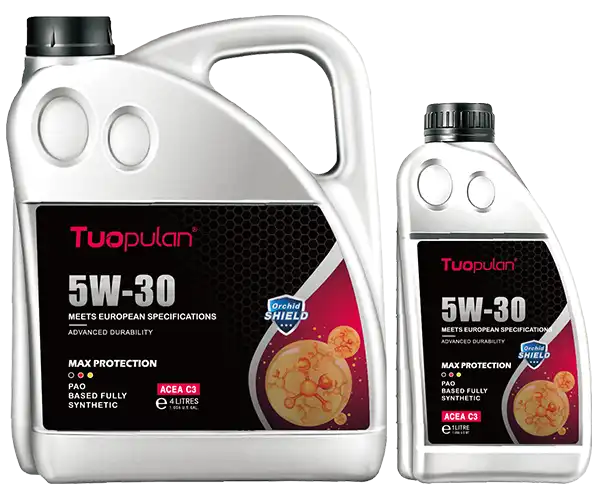
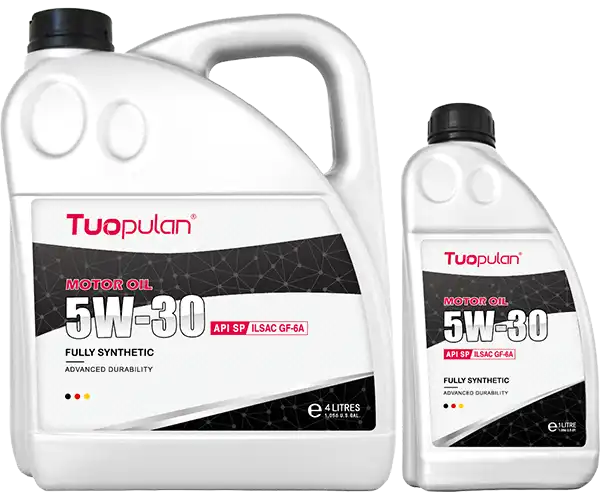
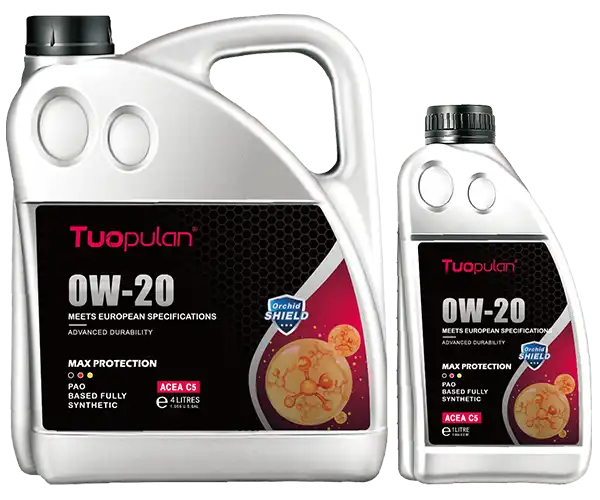
At TUOPULAN, our fully synthetic engine oils are formulated to focus on:
strong anti-wear protection
thermal and oxidation stability
long-lasting cleanliness
When used with the correct viscosity grade and change interval, TUOPULAN oils help engines operate smoothly and reliably — even in harsh climates and heavy-duty conditions.
Yes. Fully synthetic engine oil reduces engine wear by maintaining a stable oil film, lowering friction and protecting engine parts under high and low temperature conditions.
Yes. Fully synthetic oil offers superior resistance to heat, oxidation and breakdown, providing more consistent protection than conventional oils.
Yes. Fully synthetic oil maintains viscosity and protective properties in hot environments, helping reduce wear caused by heat stress.
Yes, some wear is unavoidable. However, fully synthetic oil significantly reduces the rate of wear compared to lower-quality oils.
Engines that benefit most include:
turbocharged engines
high-mileage vehicles
engines operating in hot or dusty environments
vehicles used in heavy traffic or under load
Even with fully synthetic oil, timely oil changes are essential.
Shorter intervals are recommended in hot climates or heavy-duty usage.
Yes. Contaminated or degraded oil increases friction and accelerates internal wear, regardless of oil type.
Yes. TUOPULAN formulations focus on anti-wear performance, engine cleanliness and thermal stability to protect engines over long-term use.
Reducing engine wear depends on using the right oil, correct viscosity and proper change interval.
👉 Contact TUOPULAN for:
viscosity selection by climate
oil change interval guidance
bulk supply and OEM cooperation
Our team supports distributors, workshops and fleet customers worldwide.