Many drivers and workshops still use mineral engine oil and hesitate to switch to fully synthetic oil.
Common concerns include oil leaks, engine damage, or compatibility issues — especially for older or high-mileage vehicles.
So, can you safely switch from mineral oil to fully synthetic engine oil?
The short answer is: Yes, in most cases it is safe — and often beneficial — when done correctly.
The most common concerns are:
Fear of oil leaks
Worry that synthetic oil is “too thin”
Uncertainty about older engine compatibility
Lack of clear guidance
These concerns are understandable, but many are based on outdated information.
For modern engines, switching from mineral oil to fully synthetic oil is generally safe and recommended, as long as:
The correct viscosity grade is used
The oil meets the engine’s required performance standards
Most modern engines are designed to work perfectly with synthetic oils.
Older engines can also switch safely, but with a few precautions:
Choose the correct viscosity (often slightly higher, such as 5W-40)
Ensure seals and gaskets are in reasonable condition
Follow proper oil change procedures
In many cases, fully synthetic oil can actually improve cleanliness and protection in older engines.

When switching from mineral oil to fully synthetic oil, you may notice:
Smoother engine operation
Reduced engine noise
Better cold-start performance
Cleaner internal engine parts over time
Fully synthetic oil has stronger detergent properties, which help remove deposits left by mineral oil.
Switching oil does not create leaks.
However, fully synthetic oil may clean away old deposits that were masking existing worn seals or gaskets.
If a leak appears after switching, it usually means:
The seal was already worn
The issue existed before, but was hidden
This is not caused by synthetic oil damage.
Always follow the engine manufacturer’s viscosity recommendation (e.g. 5W-30, 5W-40).
Fully drain the old mineral oil
Replace the oil filter
Avoid mixing old and new oil
A clean change ensures best results.
After switching:
Check oil level regularly
Inspect for leaks
Listen for abnormal noise
Most engines adapt smoothly with no issues.
Compared with mineral oil, fully synthetic oil offers:
Better engine wear protection
Improved fuel efficiency
Superior high-temperature stability
better cold-start performance
longer oil life
These advantages are especially valuable in hot climates and heavy traffic conditions.

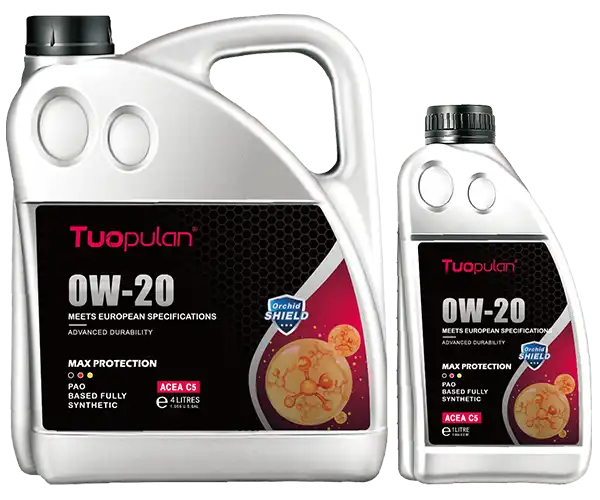
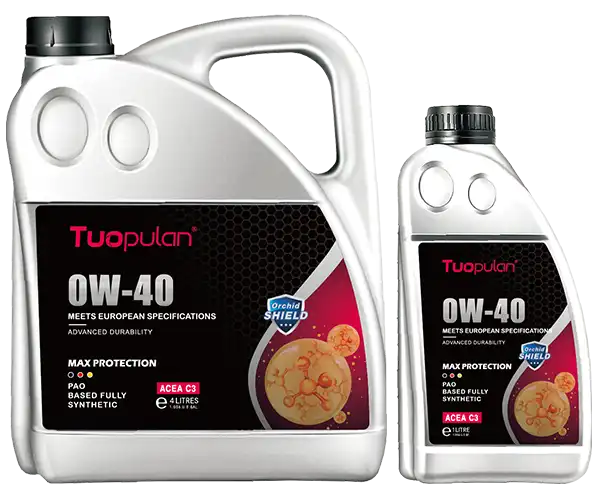
At TUOPULAN, we regularly support customers switching from mineral oil to fully synthetic oil.
When the correct grade and change interval are used, our fully synthetic oils help engines operate:
Cleaner
Smoother
More efficiently
Even for high-mileage vehicles, switching can be a positive upgrade when done properly.
Yes. In most cases, switching is safe and beneficial when the correct viscosity and specifications are followed.
In most cases, no flushing is required.
A standard oil change with a new filter is sufficient unless the engine is heavily contaminated.
No. Fully synthetic oil does not damage engines.
If leaks appear, they are usually due to existing seal wear, not the oil itself.
It is not recommended.
For best performance and protection, always perform a full oil change when switching.
Follow the engine manufacturer’s recommendation.
For older engines, slightly higher viscosity grades may be preferred in some cases.
For many drivers and fleets, yes.
Improved protection, longer oil life and better efficiency often offset the higher initial cost.
Yes. TUOPULAN fully synthetic oils are formulated for compatibility, cleanliness and long-term engine protection.
Every engine and market is different.
👉 Contact TUOPULAN for:
Viscosity recommendations
Guidance for older or high-mileage engines
Bulk supply and OEM cooperation
Our technical team supports distributors, workshops and fleet customers worldwide.