Fuel economy is a major concern for drivers, fleet operators and distributors — especially in regions where fuel costs, traffic congestion and high temperatures place extra pressure on engines.
One common question is whether fully synthetic engine oil can actually improve fuel economy, or if it is simply a premium marketing claim.
The short answer is: yes, it can — when the right oil is used in the right engine.
Fully synthetic engine oil is engineered to reduce energy loss inside the engine. Compared with conventional oils, it offers several technical advantages that directly affect fuel consumption.
Fully synthetic oils have a more uniform molecular structure. This allows oil to flow smoothly between engine components, reducing friction.
Less friction means:
the engine works more efficiently
less energy is wasted as heat
fuel is used more effectively
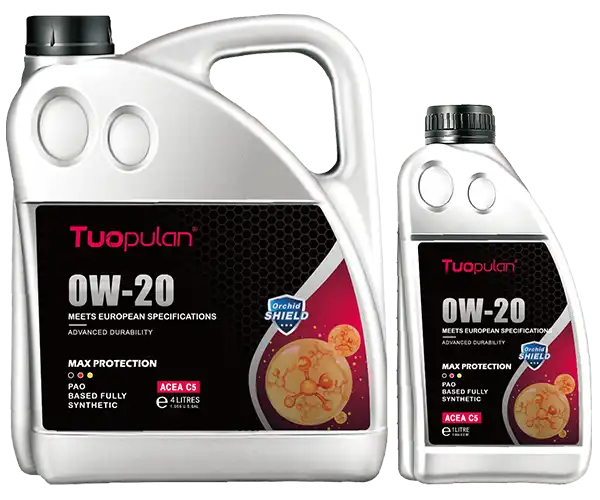
Lower-viscosity fully synthetic oils (such as 0W-20 or 5W-30) flow faster during cold starts.
This results in:
quicker lubrication
reduced engine resistance
lower fuel consumption during start-up
Cold starts are one of the highest fuel-consuming phases of engine operation.
Fully synthetic oil resists oxidation and sludge formation better than mineral or semi-synthetic oils.
A cleaner engine:
maintains optimal combustion
avoids power loss caused by deposits
sustains stable fuel efficiency over time
Dirty engines often burn more fuel to achieve the same performance.
In hot climates, oil breakdown can increase friction and drag.
Fully synthetic oil maintains viscosity stability under high temperatures, helping engines run efficiently even in:
extreme heat
stop-and-go traffic
long-distance or heavy-load driving
Fuel economy improvement depends on engine design, oil grade and driving conditions.
In real-world use, drivers may experience:
1% – 3% improvement compared with conventional oil
better consistency in fuel efficiency over time
While this may seem small, over long distances and fleet operations, the savings become significant.
At TUOPULAN, our fully synthetic engine oils are formulated to balance:
low friction
high-temperature stability
engine cleanliness
When the correct viscosity grade is used, our oils help engines operate more efficiently, contributing to improved fuel economy and long-term protection — particularly in demanding climates.

Yes. Fully synthetic engine oil can improve fuel economy by reducing internal friction, improving cold-start lubrication and keeping the engine cleaner.
The improvement is usually modest — often 1% to 3% — but becomes more noticeable over long-term driving or fleet usage.
Lower-viscosity oils such as 0W-20 and 5W-30 generally offer better fuel efficiency, provided they meet the engine manufacturer’s requirements.
Yes. Fully synthetic oil maintains stable viscosity under high temperatures, helping engines run efficiently even in hot and heavy-traffic conditions.
Oil choice helps, but fuel economy also depends on:
driving habits
engine condition
vehicle load
maintenance quality
Engine oil is one important factor, not the only one.
For many drivers and fleets, yes. Improved efficiency, longer oil life and better engine protection often offset the higher initial cost.
Yes. Contaminated or degraded oil increases friction and reduces engine efficiency, leading to higher fuel consumption.
Yes. TUOPULAN formulations focus on low-friction performance, cleanliness and thermal stability to support efficient engine operation.
Fuel economy gains depend on choosing the correct oil for your engine and climate.
👉 Contact TUOPULAN for:
viscosity recommendations by region
fuel-efficiency-oriented oil solutions
bulk supply and OEM cooperation
Our technical team supports distributors, workshops and fleet customers worldwide.